Meal Planning App to Reduce Food Waste Combined Shopping List: The Smart Way to Save
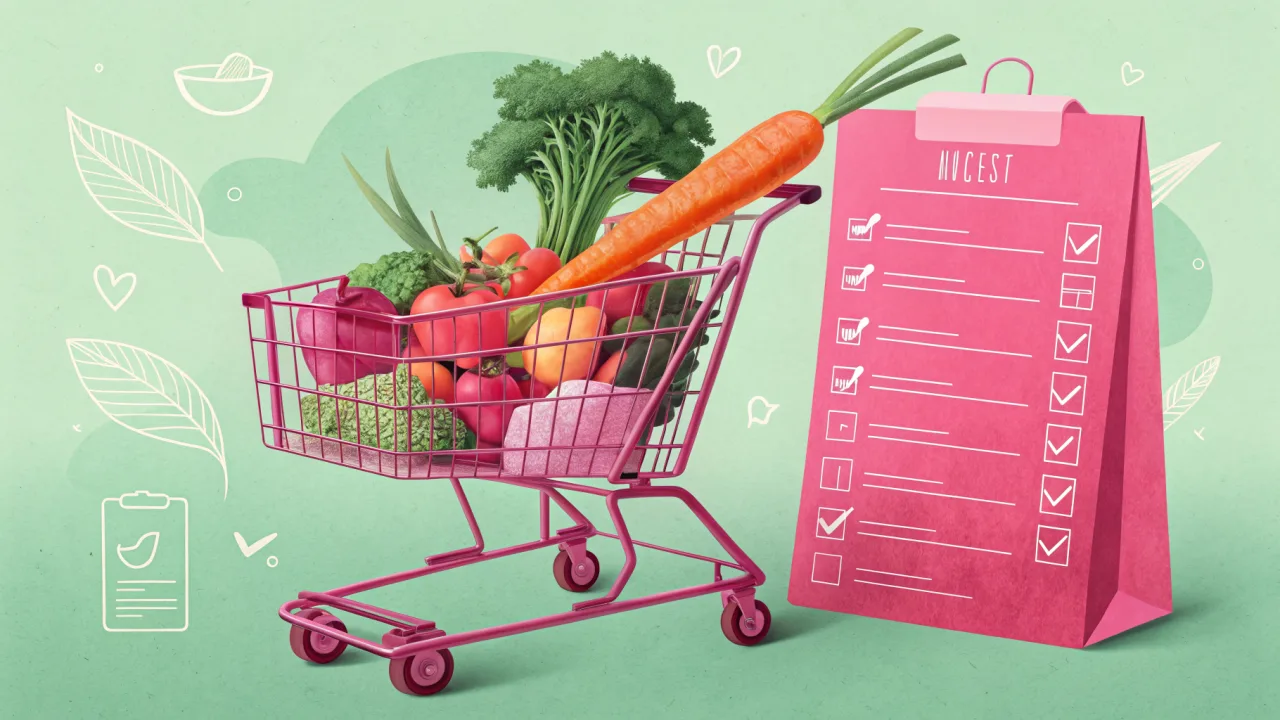
A meal planning app to reduce food waste combined shopping list automatically consolidates ingredients from all your recipes, so you buy only what you need. YumPlanner makes that process free and simple for families.
Meal Planning App to Reduce Food Waste Combined Shopping List: The Smart Way to Save
Every week, millions of families toss out spoiled vegetables, expired milk, and half-eaten leftovers. The financial loss adds up fast. A typical household throws away hundreds of dollars worth of food each year according to the USDA, much of it because people buy more than they can cook.
A meal planning app to reduce food waste combined shopping list solves that problem directly. Instead of guessing what to cook and grabbing random items at the store, you plan your week first. The app then builds one complete grocery list with exact quantities. No duplicates. No extra purchases. Just the food you will actually eat.
This article explains how YumPlanner uses a combined shopping list to stop food waste before it starts. We cover the mechanics, real savings, and a simple path to getting started today.
Table of Contents
- What Is a Meal Planning App to Reduce Food Waste Combined Shopping List?
- How a Combined Shopping List Cuts Food Waste
- Common Mistakes Families Make That Lead to Food Waste
- YumPlanner vs Other Meal Planning Apps
- Real Families Real Savings
- Industry Benchmarks on Meal Planning and Waste Reduction
- How to Get Started with YumPlanner in 5 Minutes
- Frequently Asked Questions
What Is a Meal Planning App to Reduce Food Waste Combined Shopping List?
A meal planning app to reduce food waste combined shopping list is a digital tool that lets you plan your weekly meals and automatically generates a single grocery list with consolidated quantities across all recipes.
Traditional meal planning works like this: you pick five recipes, then manually add up the ingredients. If two recipes each call for one bell pepper, you have to realize that yourself. Many people forget, so they overbuy. Or they skip recipes that share ingredients and end up with a chaotic list.
A combined shopping list app does that math for you. When you plan a stir-fry that needs one bell pepper and a pasta dish that needs one bell pepper, the app tells you to buy two peppers. It knows exactly what each recipe uses and totals everything in one place.
What makes a good combined shopping list app?
The best tools go further. They group items by store aisle, handle tricky measurements (like half a cup of milk versus one cup), and let you mark off items as you shop. YumPlanner does all of this, plus it keeps the list synced across every family member's phone.
Do meal planning apps generate shopping lists?
Yes most do. But the quality varies a lot. Some apps only build a list from their own recipes. Others let you add your own but still require manual adjustments. YumPlanner combines both approaches: you can browse hundreds of family-friendly recipes from our library or add your own custom recipes. Either way, the shopping list stays automatic and precise.
Which app is best for meal planning with a combined grocery list?
For families on a budget, YumPlanner stands out because it costs nothing. Apps like Plan to Eat charge monthly fees. Mealime limits you to their recipe library unless you upgrade. YumPlanner offers full features with no credit card required.
How a Combined Shopping List Directly Cuts Food Waste and Your Grocery Bill
The connection between a combined list and less waste is straightforward. When you buy exactly what you need, nothing sits in the fridge long enough to rot. Research from the EPA shows source reduction eliminates waste before it happens.
The bell pepper problem explained
Say you plan two dinners: Monday is stir-fry (needs one bell pepper) and Wednesday is stuffed peppers (needs two). A normal shopper might buy a bag of six peppers because they look good. That means three peppers get pushed to the back of the fridge. A week later they wilt.
YumPlanner's combined list says: buy three bell peppers. You use all three. Nothing spoils.
How much can families actually save?
According to van Rooijen et al. (2025), Meal planning under uncertainty shows that shopping frequency directly affects how much food gets wasted. Families who shop once per week with a plan waste less than those who make multiple unplanned trips.
Many meal planning apps help users save $40-60 per month through reduced waste and precise shopping lists according to the AI Meal Planner Blog. Over a year that adds up to $500 or more.
What grocery app sells to reduce food waste?
Some apps focus on selling surplus food at a discount. Flashfood connects shoppers to store markdowns. But those apps still rely on you using the food you buy. A combined shopping list app like YumPlanner prevents the waste from the start by making sure you never buy extras.
Common Mistakes Families Make That Lead to Food Waste and How YumPlanner Fixes Them
Even well-meaning families fall into patterns that create waste. Here are the four most common traps and exactly how YumPlanner helps you avoid them.
Mistake 1: Buying in bulk without a plan
Warehouse clubs make bulk purchases tempting. But a five-pound bag of onions only makes sense if you have five meals that use onions that week. Without a plan you use two onions and the rest sprout.
YumPlanner's combined list shows the exact total of every ingredient across your whole week. If the total is small, the list tells you. You buy a small bag instead.
Mistake 2: Forgetting what you already have
Most people clean out their fridge once a month and find duplicates, expired items and forgotten leftovers. When you add new groceries to an already stocked pantry you create waste.
YumPlanner lets you add your own custom recipes that use what is already in your kitchen. If you have half a bag of rice, add a rice bowl recipe. The app accounts for that ingredient so you do not buy more.
Mistake 3: Impulse buying at the store
Grocery stores are designed for impulse purchases. Bright signage, end-cap displays and smell marketing all push you to grab items you did not intend to buy. Many of those items never get used.
A single combined list acts as a shield. You walk in with exactly what you need. If it is not on the list, you do not buy it. Adaji et al. (2018) found that shopping lists influence healthy buying habits by limiting spontaneous decisions.
Mistake 4: Cooking too much food
Recipes designed for four people often make enough for six. When you cook double portions without planning for leftovers, food gets pushed to the back of the fridge and forgotten.
YumPlanner helps you plan portion sizes. If you want leftovers for lunch the next day, you account for that in the plan. The shopping list adjusts automatically so you have enough but not too much.
YumPlanner vs Other Meal Planning Apps: A Feature Comparison
Not every meal planning app handles the combined shopping list the same way. Here is how YumPlanner stacks up against two popular alternatives.
| Feature | YumPlanner | Plan to Eat | Mealime |
|---|---|---|---|
| Combined shopping list | Yes automatic quantity consolidation | Yes manual adjustments needed | Yes but limited to their recipes |
| Family collaboration | Yes with cooking achievements | Limited | No |
| AI-powered meal selection | Yes | No | No |
| Dietary filtering | Yes vegetarian gluten-free nut-free | Varies | Yes but fewer options |
| Add custom recipes | Yes | Yes | No |
| Price | Free | $4.99-$9.99/month | Free with premium tier |
Plan to Eat excels at recipe organization. You can import recipes from any website and build a library. Their shopping list works well but requires you to check quantities manually across meals.
Mealime focuses on quick recipes that finish in 30 minutes or less. Ingredient lists rarely exceed 10 items per meal according to Fitia. But you can only use Mealime's recipes which limits flexibility for families with specific tastes.
YumPlanner combines the best of both. You get automatic quantity consolidation, the ability to add your own recipes and full family features. All at no cost.
Why family collaboration matters for reducing waste
When one person plans the meals but someone else does the shopping, communication gaps cause waste. One partner forgets to mention they already bought chicken, so the other buys more.
YumPlanner's family collaboration and cooking achievements feature keeps everyone on the same list. Every family member sees the same combined shopping list in real time. No duplicates, no confusion.
Which app works best for dietary restrictions?
For families managing allergies or sensitivities, precise shopping lists matter even more. Buying the wrong ingredient means wasted money and potential health issues.
YumPlanner lets you filter by dietary needs including vegetarian, gluten-free and nut-free options. The combined shopping list respects those filters so you never buy something unsafe.
Real Families Real Savings with YumPlanner
Stories help show the real impact of switching to a combined shopping list approach. Here is what a typical family might experience.
The Chen family of four used to spend $900 per month on groceries. They threw away about $200 worth of food each month mostly from overbuying produce and letting leftovers spoil. Thursday nights became known as clean out the fridge night.
After three months on YumPlanner their grocery spending dropped to $760 per month. The combined shopping list eliminated the duplicate purchases that used to pile up. The AI-powered meal selection planned five dinners each week so they always had a clear menu.
They saved $140 per month. Over a year that is $1,680. More importantly they stopped the stress of wondering what to cook each evening.
How cooking achievements helped their kids
YumPlanner's cooking achievements turned meal planning into a family activity. The Chens children earned badges for helping plan and cook. They started requesting specific recipes from the library. The kids ate more vegetables because they helped choose them.
SuperCook, another meal planning app for reducing waste, has a 4.8 star rating from 20,000 ratings according to Conserve Food. Family-friendly features like achievements make the experience stick.
What Industry Benchmarks Say About Meal Planning and Food Waste Reduction
Independent research backs up what families experience firsthand. Using a meal planning app with a combined shopping list directly reduces waste.
The Natural Resources Defense Council notes that households lose up to $1,500 annually on wasted groceries. Meal planning is one of the most effective countermeasures because it addresses overbuying the primary driver of waste.
According to van Rooijen et al. (2025), Meal planning under uncertainty found that families who shop with a precise list waste significantly less food than those who shop intuitively. The study measured waste across different shopping frequencies and meal planning habits.
Collins et al. (2024) identified 5 foods to add to your shopping list to save money that also reduce waste. Their research showed that strategic list-making lowers grocery spending while improving nutrition.
Grocery bills can take up 15-20% of a household's income according to the AI Meal Planner Blog. Apps that generate precise combined lists help families save $40-60 per month through less waste and smarter purchasing.
Why source reduction matters more than recycling
The EPA's Food Recovery Hierarchy ranks source reduction as the top strategy. Recycling and composting help but they come after preventing waste in the first place.
A combined shopping list is pure source reduction. You never buy the food so it never needs to be thrown away. Apps like Cooklist track pantry inventory to maximize this effect.
How to Get Started with YumPlanner in 5 Minutes
Switching to a smarter meal planning system takes almost no time. Here is exactly what to do.
- Sign up for free at YumPlanner.org. No credit card required. You get full access from day one.
- Set your dietary preferences. Choose vegetarian, gluten-free, nut-free or any combination. The app filters every recipe accordingly.
- Browse the recipe library. Pick from hundreds of family-friendly meals. Drag and drop them into your weekly plan.
- Let AI fill the gaps. Any empty slots get automatically filled with meals your family will enjoy based on past selections.
- Open your combined shopping list. All ingredients are consolidated by quantity. One bell pepper plus two bell peppers equals three bell peppers.
- Shop once. Take the list to the store buy exactly what is listed and come home ready for the week.
What if you already have ingredients you need to use?
Add a custom recipe that uses that specific ingredient. YumPlanner factors it into the combined list so you do not duplicate. This is one of the best ways to stop food waste with meal planner tools.
Frequently Asked Questions
What grocery app sells to reduce food waste?
Flashfood connects shoppers to discounted foods near their expiration date. You buy surplus items that stores would otherwise throw away. That approach reduces waste but requires you to plan meals around what is available. YumPlanner takes the opposite approach by helping you plan first then buy only what the plan requires. A combined shopping list prevents overbuying before it happens. Used together both strategies can virtually eliminate household food waste.
Do meal planning apps generate shopping lists?
Most meal planning apps create some form of shopping list. The quality depends on how the app handles ingredient consolidation. Basic apps list each recipe separately so you still have to add up quantities yourself. Better ones like YumPlanner combine all ingredients into one master list with exact amounts. Prepear creates a sorted grocery list from your weekly calendar but YumPlanner goes further by automatically consolidating across every meal in your plan.
Can I use YumPlanner if my family has dietary restrictions?
Yes. YumPlanner supports filtering by vegetarian, gluten-free and nut-free options. Each recipe in our library is tagged so the app only shows meals that fit your family's needs. The combined shopping list respects those filters automatically.
Is YumPlanner really free?
Yes. YumPlanner is completely free with no credit card required. You get full access to the recipe library, AI-powered planning, combined shopping lists and family collaboration features. There are no hidden fees or premium tiers.
How does the combined shopping list work exactly?
When you add recipes to your weekly plan, YumPlanner scans every ingredient from every recipe. It totals each ingredient across all meals. If two recipes call for garlic, the list shows one combined quantity. Items are grouped by category so you can shop efficiently.
Can I add my own recipes to YumPlanner?
Absolutely. You can add custom recipes for family favorites or to use ingredients you already have. The app includes those recipes in the combined shopping list just like our library recipes.
How much money can I save by using a meal planning app?
Many families save $40-60 per month according to the AI Meal Planner Blog. That comes from reducing waste buying fewer duplicates and avoiding impulse purchases. Over a year savings can exceed $600 for a family of four.
What if I do not like the AIs meal suggestions?
You have full control. AI fills empty slots if you want help. You can also ignore it and drag and drop only your own picks. The combined shopping list works either way.